Norbiton furniture removals access and parking solutions: a practical guide for smoother moving day planning
Moving furniture in Norbiton can look simple on paper and then turn into a small logistical puzzle once the van arrives and the street starts to fill up. Tight residential roads, permit zones, shared drives, awkward stairwells, and the classic "where exactly can the truck stop?" moment all play a part. That is why Norbiton furniture removals access and parking solutions matter so much: they keep the move efficient, reduce stress, and help protect your furniture, your building, and your neighbours.
This guide walks through the real-world side of moving in and around Norbiton. You will find how access planning works, what parking issues to expect, which mistakes cause delays, and how to prepare in a way that makes the whole day calmer. Truth be told, a little planning goes a long way here.
If you are comparing providers, it also helps to look beyond the move itself. Good companies are usually clear about their pricing and quotes, explain their insurance and safety approach, and are easy to reach through the contact page when you need to ask about access before moving day.
Table of Contents
- Why Norbiton furniture removals access and parking solutions Matters
- How Norbiton furniture removals access and parking solutions Works
- Key Benefits and Practical Advantages
- Who This Is For and When It Makes Sense
- Step-by-Step Guidance
- Expert Tips for Better Results
- Common Mistakes to Avoid
- Tools, Resources and Recommendations
- Law, Compliance, Standards, or Best Practice
- Options, Methods, or Comparison Table
- Case Study or Real-World Example
- Practical Checklist
- Conclusion
- Frequently Asked Questions
Why Norbiton furniture removals access and parking solutions Matters
Furniture removals are not just about lifting sofas and boxes. The hidden challenge is often the first 20 metres outside the property. Can the vehicle get close enough? Is there a safe loading point? Will the crew need to carry a wardrobe down a narrow path and around three parked cars? Those details decide whether the move feels controlled or chaotic.
In Norbiton, that matters even more because many homes and flats have a mix of older layouts, smaller parking bays, and residential streets where access can be limited at busy times. A removal van parked in the wrong place can slow the whole operation, inconvenience neighbours, and create extra carrying distance that increases the chance of knocks and damage. Nobody wants that. Not on move day.
Good access and parking planning also protects timing. A team that can park close to the entrance can load quickly, stay on schedule, and spend more time handling furniture properly rather than improvising. That is especially useful if you are working around lift bookings, tenancy handovers, school runs, or the simple fact that the weather may decide to be very British about things.
Expert summary: In furniture removals, access is not a side issue. It is one of the main operational factors that affects speed, safety, and the risk of avoidable stress. Parking may seem boring until the van has nowhere sensible to stop.
It is also worth saying that a reputable mover will usually treat access planning as part of the service, not an annoying extra. That is a good sign. You want a company that asks about staircases, shared entrances, parking restrictions, and loading distances early on, before anyone is standing on the pavement trying to work it out in real time. For reassurance about who you are dealing with, many customers like to review the company's about us page and trust pages such as health and safety policy and terms and conditions.
How Norbiton furniture removals access and parking solutions Works
At its simplest, the process is about matching the vehicle, the route, and the property. In practice, that means checking where the removal vehicle can legally and safely stop, how far furniture must be carried, and what obstacles might slow the job down. If there is a managed parking zone, a narrow cul-de-sac, or limited waiting space, those details need to be known before the crew arrives.
A practical access plan usually starts with a few basic questions:
- What type of property is it: house, flat, maisonette, or office?
- Is there a driveway, forecourt, service road, or shared access point?
- Are there restrictions on stopping or loading outside the property?
- How far is the front door from the nearest sensible parking space?
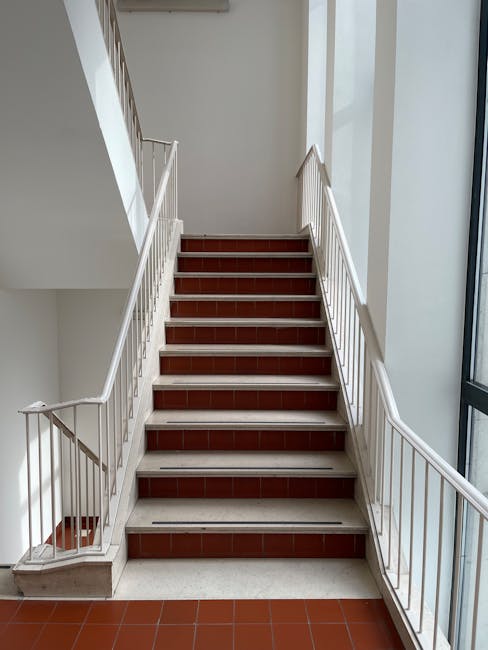
- Are there stairs, lifts, tight turns, or low door frames?
Once those answers are clear, the move can be planned properly. Sometimes a smaller vehicle is better for the street. Sometimes two people can carry everything without issue. Sometimes a larger van can still work, but only if parking is arranged carefully and the loading route is free. There is no one-size-fits-all answer, which is why site-specific planning matters.
For customers, the best moves usually happen when communication is simple and early. You explain the access situation in plain language. The removals team confirms what they need. If there is any uncertainty about parking, quote details, or security arrangements, the relevant service pages such as pricing and quotes and payment and security can help you understand the wider process too.
And yes, sometimes the unexpected happens. A neighbour parks where you hoped to load. A delivery van appears. Or the lift decides to take a tea break, basically. Good planning does not remove every problem, but it gives you options when the day gets messy.
Key Benefits and Practical Advantages
The main benefit is simple: less friction. When access and parking are sorted, the team can focus on the actual removal job instead of making repeated trips from a distant parking spot or pausing to find an alternative route.
- Shorter carrying distance: Furniture spends less time in transit between property and vehicle, which lowers the chance of bumps and scrapes.
- Better timekeeping: When parking is planned, the schedule is easier to keep.
- Improved safety: Clear pathways reduce trip hazards and awkward manoeuvres.
- Less neighbour disruption: A tidier loading arrangement is usually more considerate in residential streets.
- Lower stress: You are not improvising under pressure while a sofa blocks the pavement.
There is also a commercial advantage that people sometimes overlook. A move that runs smoothly tends to cost less in hidden ways. Even when the price is fixed, the emotional cost drops. You are less likely to feel rushed, and the whole day has a calmer pace. That matters, especially if you are juggling keys, cleaners, children, or a long list of final checks.
For customers who care about trustworthy service, good access planning often goes hand in hand with transparent policies. A company that is serious about insurance and safety, clear terms and conditions, and responsible recycling and sustainability is usually thinking about the move as a whole, not just the quickest way to get paid and drive off.
Who This Is For and When It Makes Sense
Not every move needs a detailed parking strategy, but many do. If you live on or near a busier road, in a flat with restricted access, or in a property where parking is already tight, planning becomes essential rather than optional.
This is especially relevant for:
- people moving from Victorian or older-style homes with narrower entrances
- flat owners or tenants with communal parking
- households in permit-controlled streets
- customers moving heavy items such as wardrobes, sofas, beds, and dining sets
- older residents or families who want the day to feel as smooth as possible
- businesses relocating furniture, desks, and archive pieces from small premises
If your move involves heavy or awkward furniture, the need for a good loading position increases fast. A piano bench may be easy enough. A large corner sofa, not so much. And if there are tight stairs? Well, that is when a good plan starts to earn its keep.
For some people, the decision is also about peace of mind. If you would rather not spend your moving morning worrying about parking restrictions, it makes sense to use a removals team that can talk through the practicalities in advance. If you are still comparing providers, the company's accessibility statement can also give you a feel for how seriously they take different access needs.
Step-by-Step Guidance
Here is a straightforward way to approach Norbiton furniture removals access and parking planning without turning it into a bigger project than it needs to be.
- Assess the property access. Walk from the door to the street. Notice steps, kerbs, narrow hallways, slopes, low branches, gates, and anything that might slow a carry.
- Identify the parking reality. Look at whether there is on-street parking, a driveway, a loading area, or any likely restrictions. If the street is tight, assume the first option may not be the only option.
- Share the details early. Tell the removals company about the access conditions before the quote is finalised. Be honest about the awkward bits. It helps them help you.
- Confirm the load-in and load-out points. A house may be easy at one end and tricky at the other. Moves often get forgotten at the destination side, which is a bit cheeky really.
- Prepare the route inside the property. Clear shoes, mats, loose cables, and clutter from hallways and landings. Small things can make a surprisingly big difference.
- Reserve or manage parking if needed. If there is any restriction or competition for space, speak with the mover about the best approach well in advance.
- Keep a backup plan. If the nearest space is taken, know where the next sensible stopping point is. That one spare plan can save a lot of time.
When done well, the whole process is quite dull in the best possible way. No drama. No scrambling. Just a clear route, a sensible parking position, and a crew that can get on with the job.
Expert Tips for Better Results
People usually think the biggest challenges are the heavy furniture or the packing. Often it is access. So a few practical habits can make a move feel much easier.
- Take photos of the front access and parking area. A couple of clear images can be more useful than a long explanation.
- Measure awkward furniture and doorways. Do not assume a sofa will "probably" fit. Measure it. Then measure again if the stair bend looks tight.
- Talk about delivery times around the street's busy periods. Early mornings may work better than midday on some roads.
- Tell the mover about height restrictions. Low arches, tree branches, and underground car park entrances can all affect the vehicle choice.
- Keep walkways clear on both ends. A tidy entrance helps the team move faster and more safely.
- Ask about the crew's preferred access notes. Some teams want the entrance side, parking side, and any lift details. Simple, but useful.
A small, almost silly tip: put your keys, phone, and any parking paperwork in one place the night before. Moving day has a way of scattering basics across three rooms and one coat pocket. You know how it is.
If sustainability matters to you, ask how unwanted packaging, old furniture, or reusable materials are handled. A responsible mover should be able to explain their recycling and sustainability approach in plain English, not in vague marketing language.
Common Mistakes to Avoid
Most access problems are avoidable. They usually come from assumptions rather than bad luck.
- Assuming the van will "find a space". In a busy residential area, that can become a delay very quickly.
- Not mentioning stair access. A top-floor flat with no lift is a very different job from a ground-floor maisonette.
- Leaving parking planning until the morning of the move. By then, the most convenient space may already be gone.
- Forgetting the destination property. A good loading point at the old address does not help if the new place is awkward.
- Underestimating carrying distances. Twenty extra metres may not sound like much. With a wardrobe, it absolutely is.
- Not checking the fine print. It is always worth reviewing terms and conditions and the company's policies before confirming a booking.
One surprisingly common issue is that people prepare the inside of the home but not the outside route. Then the removals crew arrives and the hallway is spotless, which is lovely, but the pavement access is blocked by bins, a neighbour's car, and a bike locked halfway across the path. Tiny stuff. Big impact.
Tools, Resources and Recommendations
You do not need specialist equipment to plan access properly, but a few basic tools make life easier.
- Measuring tape: For doors, furniture dimensions, and tight corners.
- Phone camera: Quick photos of parking, entrances, and stairs help the mover assess the job.
- Notepad or notes app: Keep a simple list of access details, timings, and contact numbers.
- Flat shoes with good grip: Useful on damp mornings and on steps where you are carrying smaller items.
- Labels and tape: They help the crew work faster once items are loaded and unloaded.
From a service perspective, the most useful resource is often a conversation with the removals team itself. A clear discussion about parking, access, furniture size, and timing can prevent more problems than any checklist ever will. If you want to understand the business behind the service, the company's about us page and health and safety policy are sensible places to start.
If you are collecting several quotes, it helps to ask each provider the same practical questions. That way you are comparing like with like, not just headline price. A slightly cheaper quote can turn out to be less attractive if it assumes easy parking that you do not actually have.
Law, Compliance, Standards, or Best Practice
For most domestic moves, the important point is not to become a legal expert overnight. It is to follow sensible, lawful, and considerate practice around parking, loading, vehicle access, and safety.
In the UK, removal vehicles must be parked and operated in line with local restrictions and road rules. That means paying attention to permit bays, yellow lines, access restrictions, dropped kerbs, and any loading rules that apply to the street or property. If a move is taking place in a managed block, the building's own access rules may also matter. Those rules vary, so the safest approach is to check in advance rather than guess.
Best practice usually includes:
- keeping pavements and entrances as clear as reasonably possible
- using safe lifting methods and enough people for bulky items
- planning the vehicle position before heavy loading starts
- making sure the move does not create avoidable obstruction or risk
- confirming insurance cover and safety procedures before the day arrives
That last point is worth repeating. Safety and insurance are not box-ticking extras. They are part of a professional operation. If something unexpected happens, you want a company whose policies are clear and whose approach feels sensible. You can usually verify that through the site's insurance and safety information and health and safety policy.
For anyone who needs support with communication or site access understanding, an accessibility statement can also be a helpful sign that the business is thinking beyond the minimum. Not every move needs that level of detail, but when it matters, it really matters.
Options, Methods, or Comparison Table
There are a few ways to handle access and parking in a Norbiton furniture move. The right one depends on the property, the street, and how much risk you want to remove from the day.
| Method | Best for | Advantages | Trade-offs |
|---|---|---|---|
| Direct kerbside loading | Properties with easy street access | Fast loading, short carrying distance, simple to manage | May not be possible in busy or restricted streets |
| Driveway or forecourt loading | Homes with private parking space | Very efficient and usually least disruptive | Vehicle size and turning space still matter |
| Alternative nearby parking | Controlled streets or limited spaces | Flexible when the nearest spot is unavailable | Longer carry distance and more time on site |
| Timed loading plan | Busy roads or shared access blocks | Can reduce congestion and avoid peak parking pressure | Requires good communication and punctuality |
The table is not about saying one method is always best. It is about being honest that different properties need different solutions. A ground-floor flat with a short driveway is a completely different beast from a top-floor apartment on a tight street. Same furniture. Very different move.
Case Study or Real-World Example
Imagine a typical Norbiton move: a two-bedroom flat with a shared entrance, no lift, and on-street parking that is already busy by late morning. The client has a sofa, a bed, several boxes, a dining table, and a large cupboard that looks innocent until you try to turn it on the stairs.
Instead of turning up and hoping for the best, the removals plan is shaped around the parking reality. The client shares photos of the entrance, stairwell, and street view. The team identifies the nearest practical loading point and builds in extra time for carry distance. The hallway is cleared, the lift is not relied on, because there is none, and the furniture is wrapped and moved in a controlled sequence.
The result? Less standing around, less back-and-forth, and far fewer chances of damage. The move is not suddenly magical. It is still a move, after all. But the day feels manageable. That is the difference good access planning makes. It turns a stressful scramble into a job with shape and rhythm.
For the client, the best part is usually the moment when they realise the van is parked properly and the team already knows the route in and out. One less thing to worry about. Sometimes that is worth more than shaving a few minutes off the overall schedule.
Practical Checklist
Use this checklist before moving day. It is simple, but it catches the usual trouble spots.
- Confirm the exact property address and entrance location.
- Check whether parking is permitted outside or nearby.
- Note any time restrictions or residential parking controls.
- Measure doorways, hallways, stairs, and large furniture.
- Tell the removals company about lifts, steps, slopes, or narrow access.
- Share photos of the front access if the layout is awkward.
- Clear the route inside the property.
- Move bins, bikes, and loose items away from the loading path.
- Keep paperwork, keys, and phone numbers together.
- Review the company's policies on safety, payment, and terms before the day.
If you want a bit more confidence before you book, it can help to look through the company's payment and security details and complaints procedure. Not because you expect a problem, but because a clear process tells you the business is organised.
Get a free quote today and see how much you can save.
Conclusion
Norbiton furniture removals access and parking solutions are really about one thing: making the move practical before the first box is even lifted. If the vehicle can park sensibly, the access route is clear, and the team knows what to expect, everything becomes easier. Faster too, usually.
The best outcome is not just a successful move. It is a move that feels under control from start to finish. That comes from honest access planning, a sensible parking plan, and a removals team that asks the right questions early. Simple enough, but easy to get wrong if you rush it.
If you are preparing a move in Norbiton, take a few minutes now to think through the street, the route, the furniture, and the parking. Future you will be grateful. And honestly, on moving day, grateful is a lovely feeling.
Frequently Asked Questions
What do Norbiton furniture removals access and parking solutions actually include?
They usually include planning where the removal vehicle will stop, how furniture will be carried between the property and the van, and what to do if parking is limited or restricted. In practice, it is a mix of access checking, loading planning, and timing.
Why is parking such a big issue for furniture removals?
Parking affects how far items must be carried, how quickly loading can happen, and how safe the move feels. A poor parking position can add time, fatigue, and risk of damage. That is why it gets so much attention.
How far in advance should I discuss access with the removals company?
As early as possible. Ideally, share access details when asking for a quote so the company can plan properly. Waiting until moving day can leave very few options, and that is rarely ideal.
Do I need to arrange parking myself?
Sometimes yes, sometimes no. It depends on the property, the street, and the company's approach. The important thing is to confirm who is responsible for what before the move so there is no confusion.
What if my street is narrow or usually full of parked cars?
Then advance planning becomes even more important. Share photos, explain the layout, and ask the removals team what vehicle size or loading strategy they recommend. A slightly different plan can make a big difference.
Can a removals team work with stair-only access?
Yes, many can, but it usually takes more time and care. Stair-only access is common in some flats and older buildings. The key is to be upfront about it so the crew arrives prepared.
How do I know if my furniture will fit through the access route?
Measure the furniture and compare it with the narrowest doors, turns, and stair spaces. If in doubt, send measurements and photos to the mover. It is much better to spot a problem before the heavy lifting starts.
What should I tell the removals company about parking restrictions?
Tell them about permit zones, time-limited bays, yellow lines, shared parking, height barriers, and any loading restrictions you know about. Even small details can affect the plan.
Are access and parking issues usually included in the quote?
They should be considered during quoting, especially if they affect labour time, vehicle choice, or carrying distance. If the access is unusual, ask the company to confirm what is included so the quote stays realistic.
What is the best way to prepare a property for a furniture move?
Clear the route, remove clutter, protect fragile surfaces where needed, and make sure the parking or loading area is ready. A tidy path saves time and reduces the chance of accidents. It is boring work, but useful.
How can I choose a reliable removals company for a Norbiton move?
Look for clear communication, practical questions about access, transparent pricing, and sensible policies on safety and insurance. A reliable company will want details, not vague reassurance. That is a good sign.
What should I do if parking is unexpectedly unavailable on the day?
Stay calm and contact the removals team quickly. They may have a backup stopping point or a different loading plan. A little flexibility helps a lot here, especially in residential streets where spaces can disappear fast.